Media Urged to Put Children's Right First When Reporting on Crimes Involved Underage Children
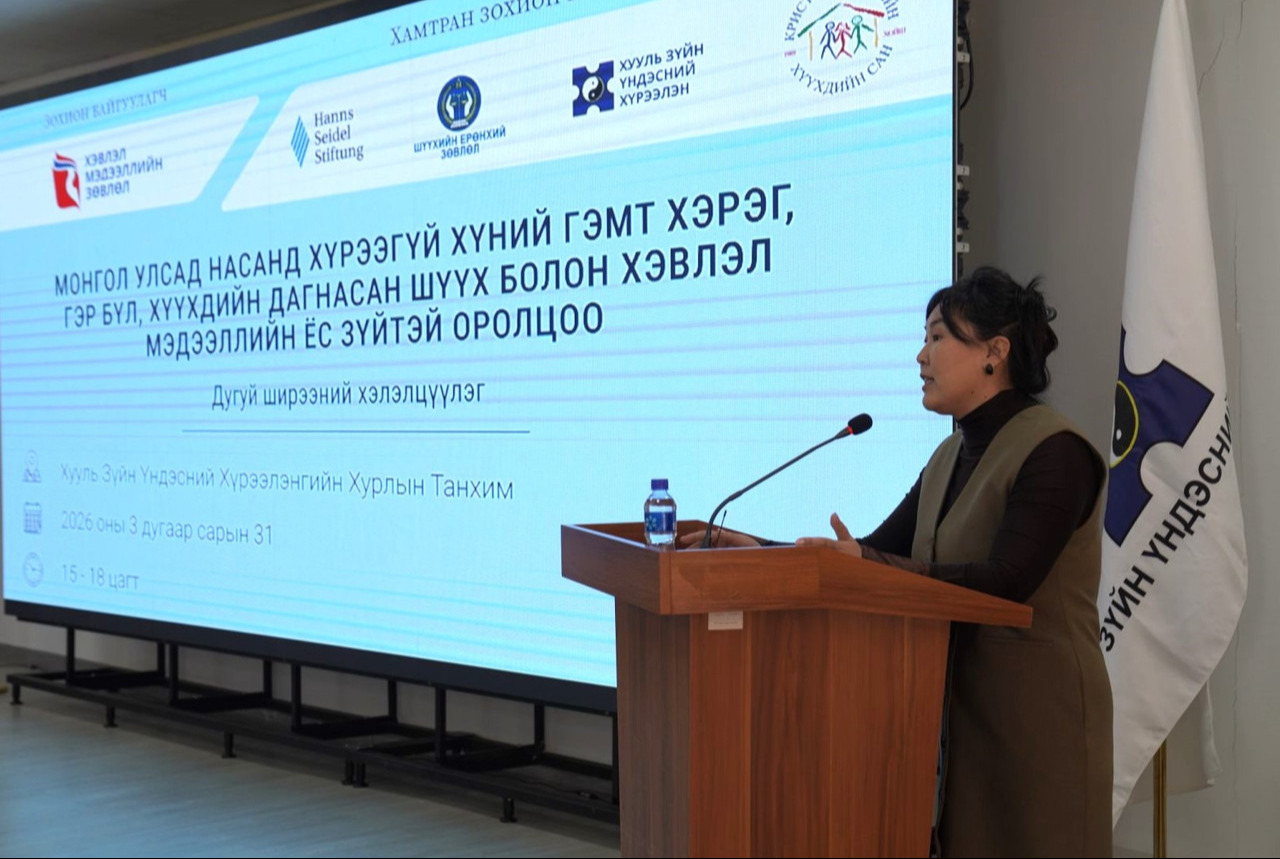
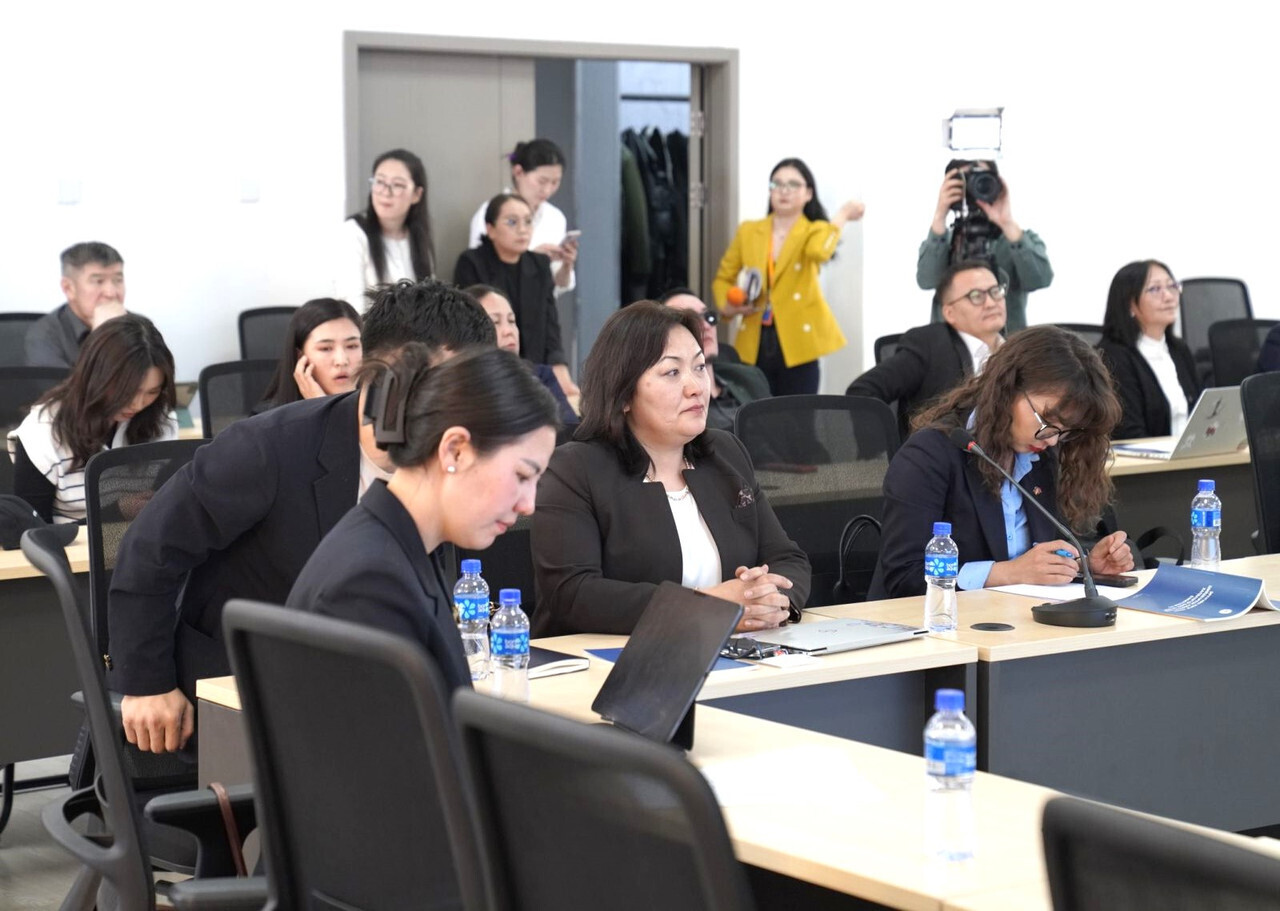
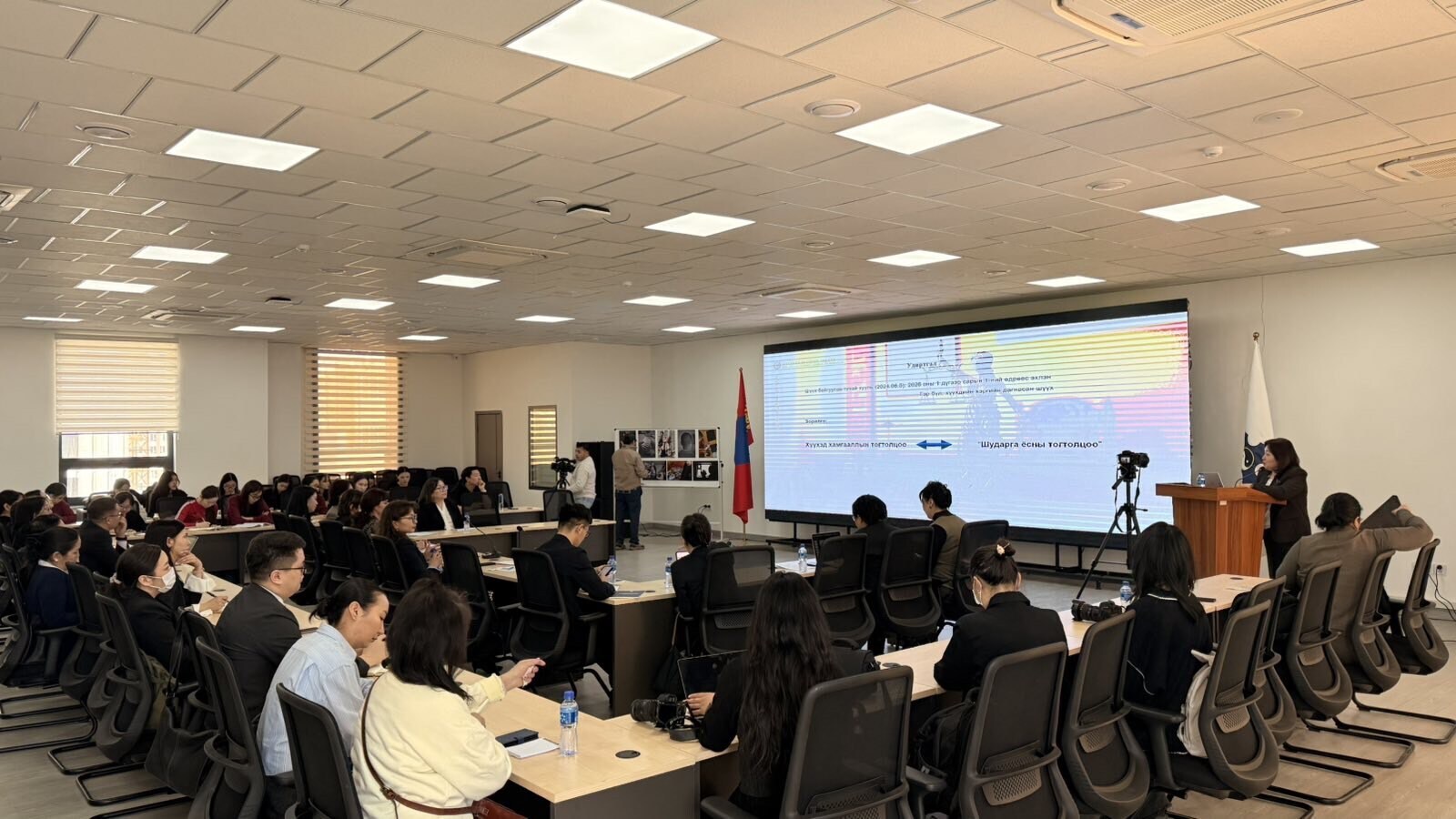
The Media Council of Mongolia in partnership with the Hanns Seidel Foundation, organized a roundtable discussion on "Juvenile Justice, Specialized Family and Juvenile Courts, and the Ethical Role of the Media in Mongolia" on March 31. The discussion explored the intersection of children's rights, press freedom, and judicial transparency, focusing on how these three fundamental principles can be balanced in practice.
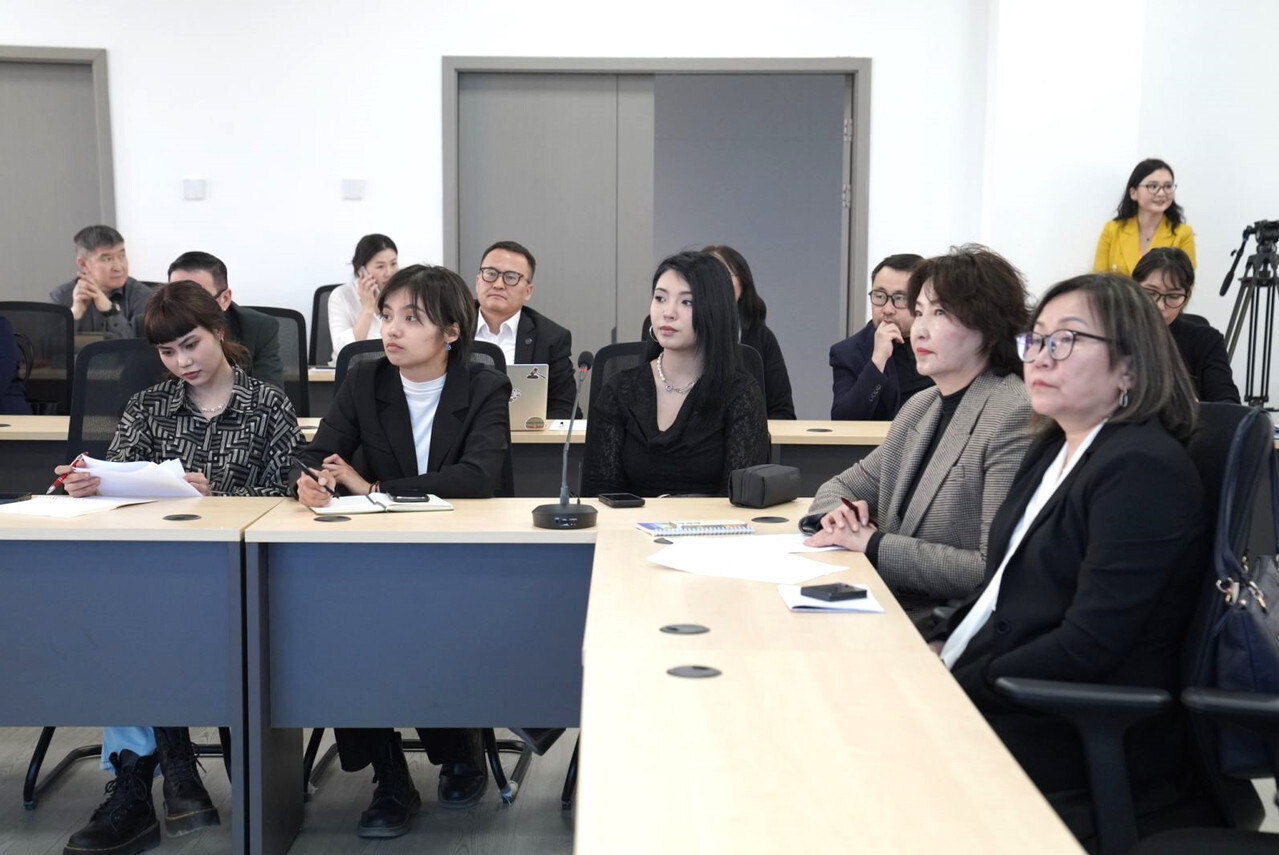
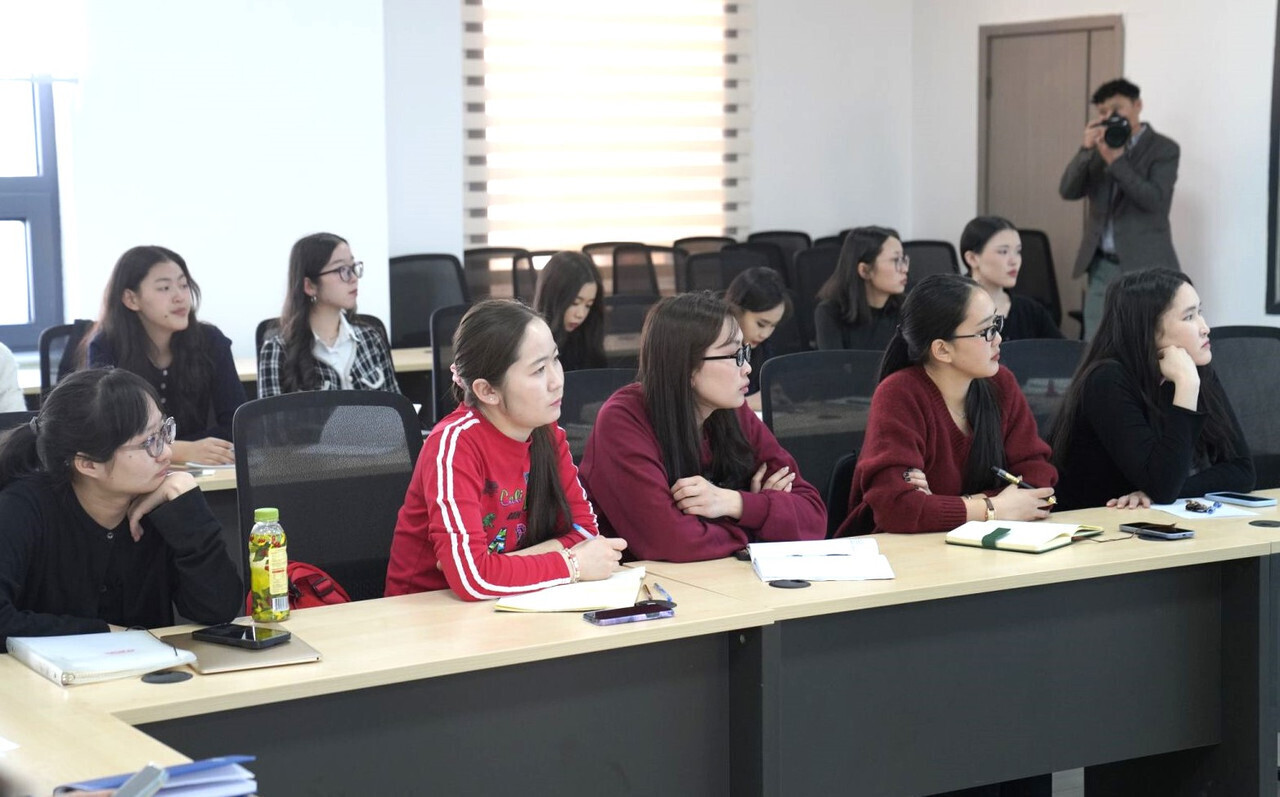
The roundtable brought together representatives from the media, judiciary, legal profession, academia, and civil society, reflecting the multidisciplinary nature of the issue.
The discussion opened with an overview of Mongolia's juvenile justice system, the current state and development of specialized family and juvenile courts, and the role the media plays within this framework. Legal experts emphasized that every case involving a child extends beyond legal proceedings, carrying significant implications for the child's future, well-being, and reintegration into society.
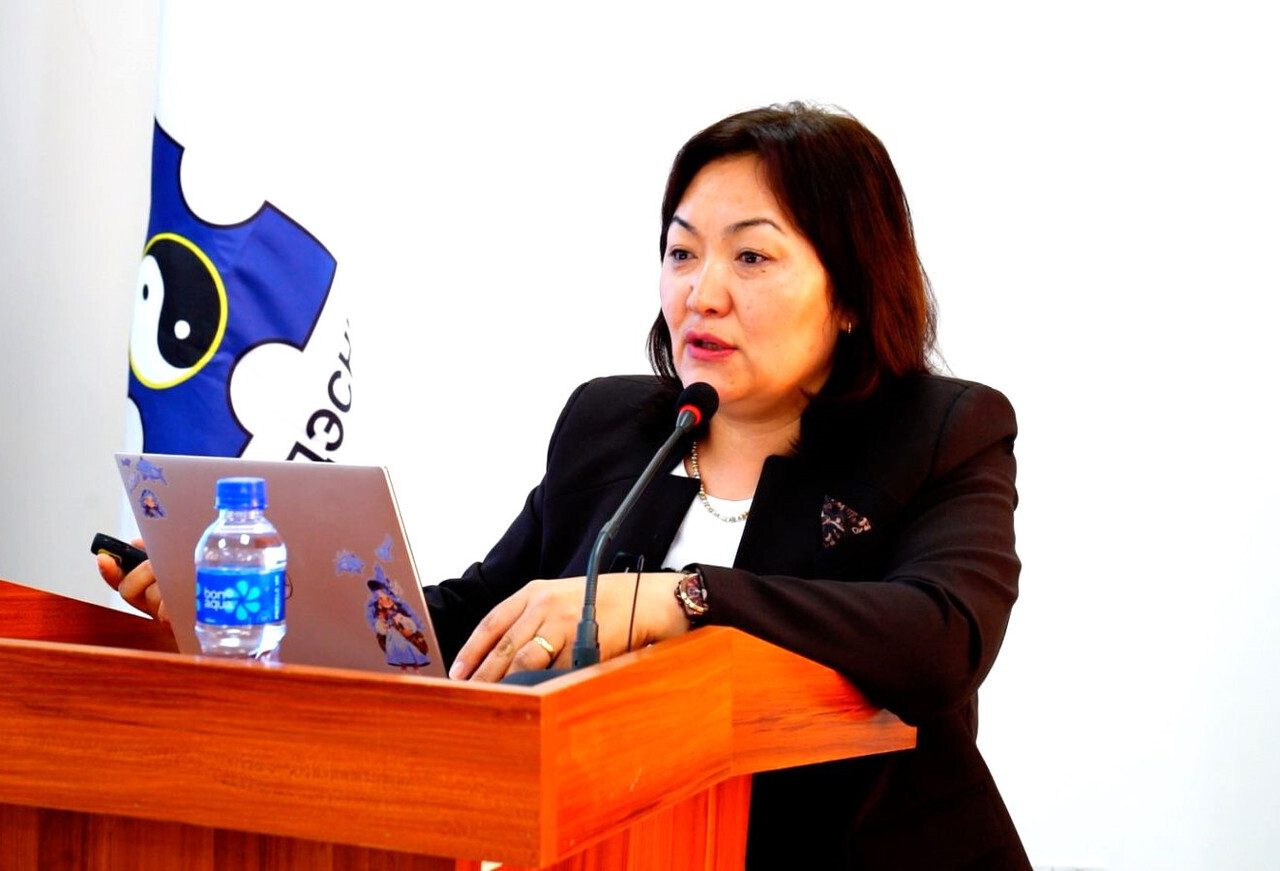
As the discussion progressed, a central theme emerged: striking the right balance between the media's right to inform the public and its responsibility to protect children's rights. Participants agreed that while providing accurate and timely information about criminal and court cases involving children is a fundamental responsibility of journalism, reporters must also carefully consider the potential impact on a child's dignity, privacy, and future. Several speakers observed that, in some instances, journalists' efforts to satisfy public interest have outweighed the principle of protecting children's rights.
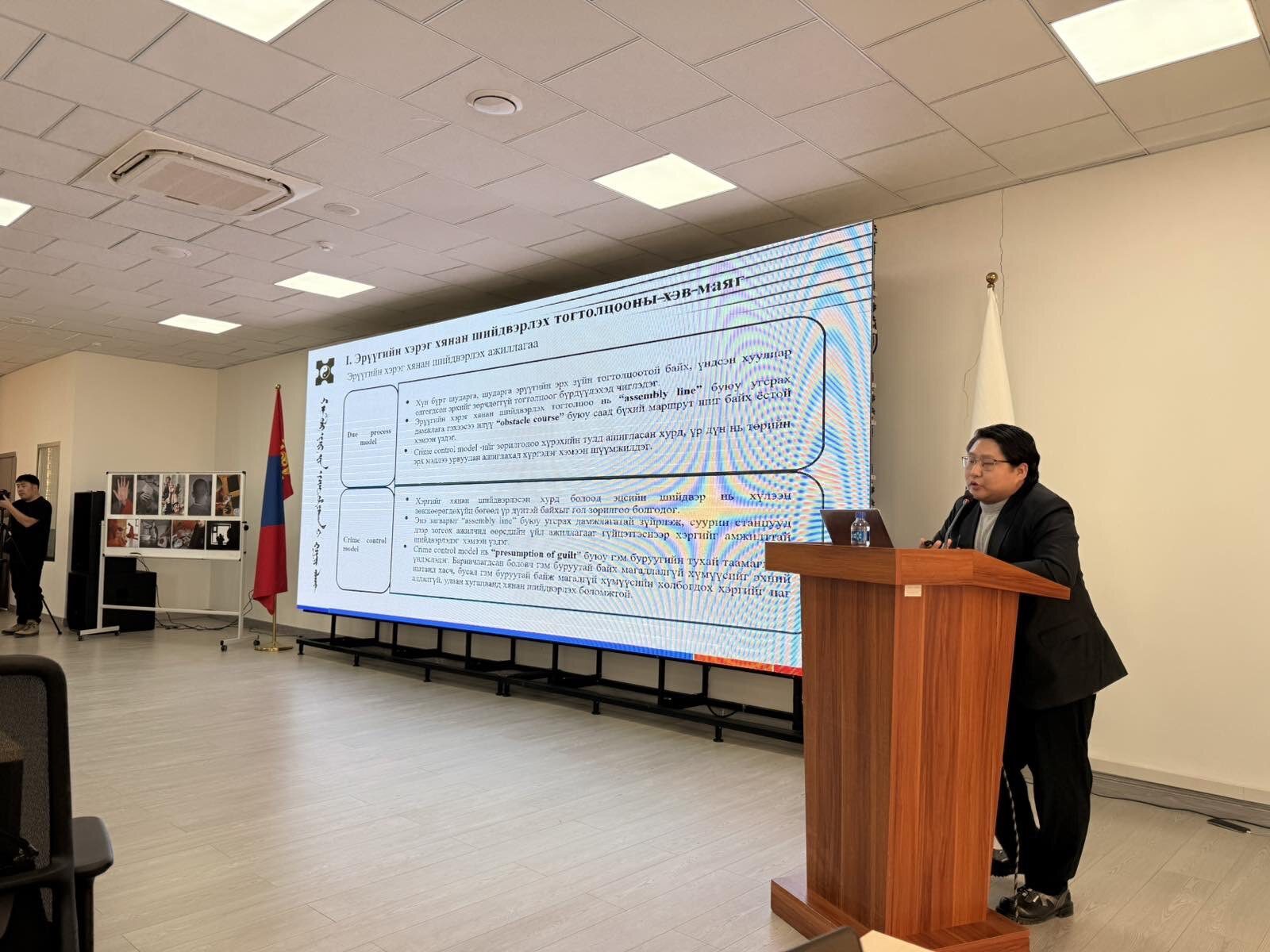
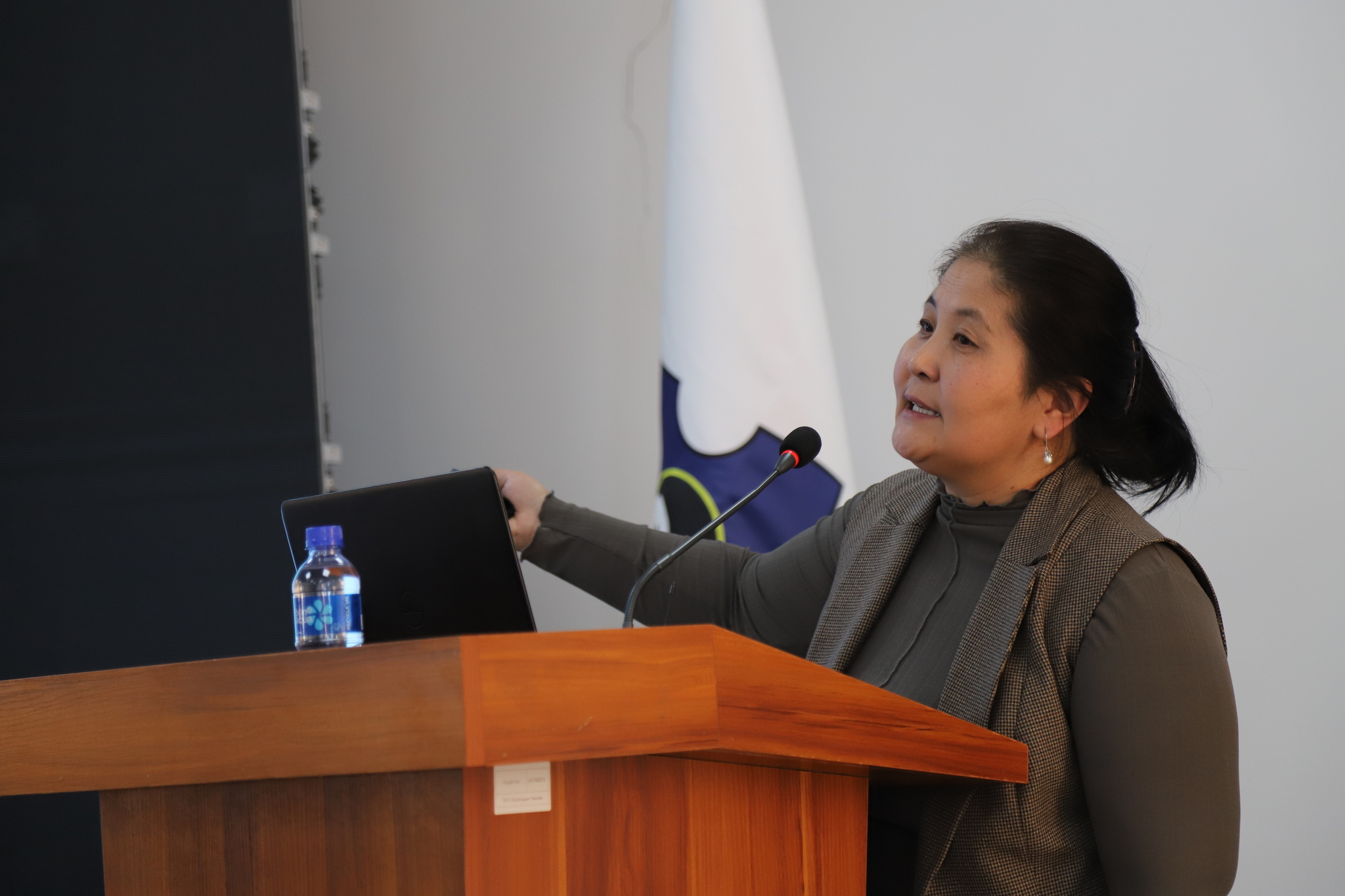
The discussion also examined how information is communicated by the judiciary and subsequently reported by the media. Representatives of the Judicial General Council of Mongolia, the National Institute of Justice, and the Christina Noble Children's Foundation emphasized the need for closer cooperation between the courts and the media to ensure judicial information is communicated accurately, responsibly, and in a way that minimizes misunderstanding among the public. Participants agreed that professional interpretation and contextualization of court proceedings are essential.
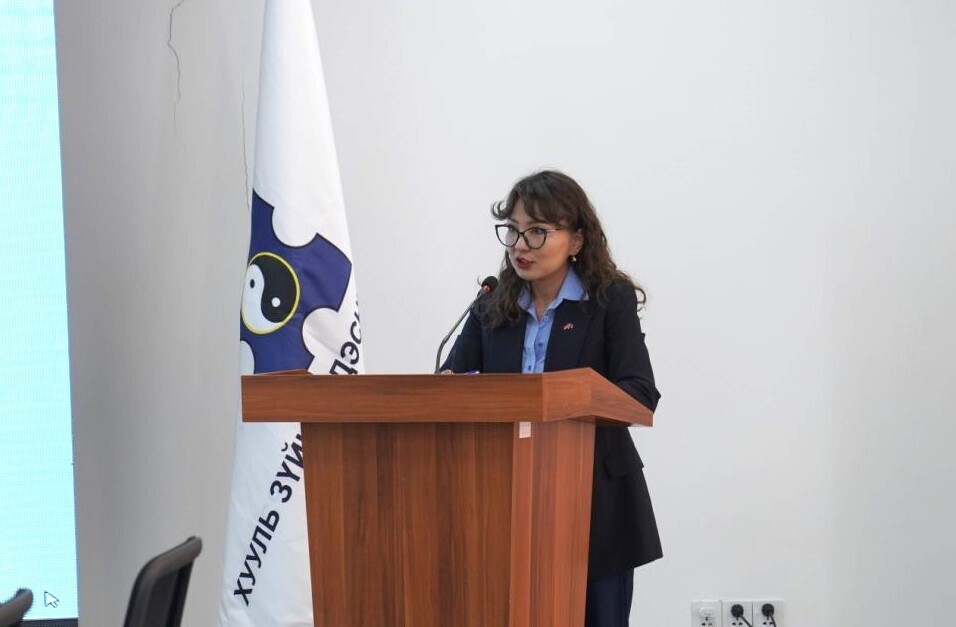
Another important topic was the long-term impact of media coverage on children after legal proceedings have concluded. Participants highlighted how media reporting can influence a child's reintegration into society and shape public attitudes toward children involved in criminal cases. The discussion underscored that reporting on such cases should not be viewed merely as conveying information, but also as an issue with lasting consequences for a child's future.
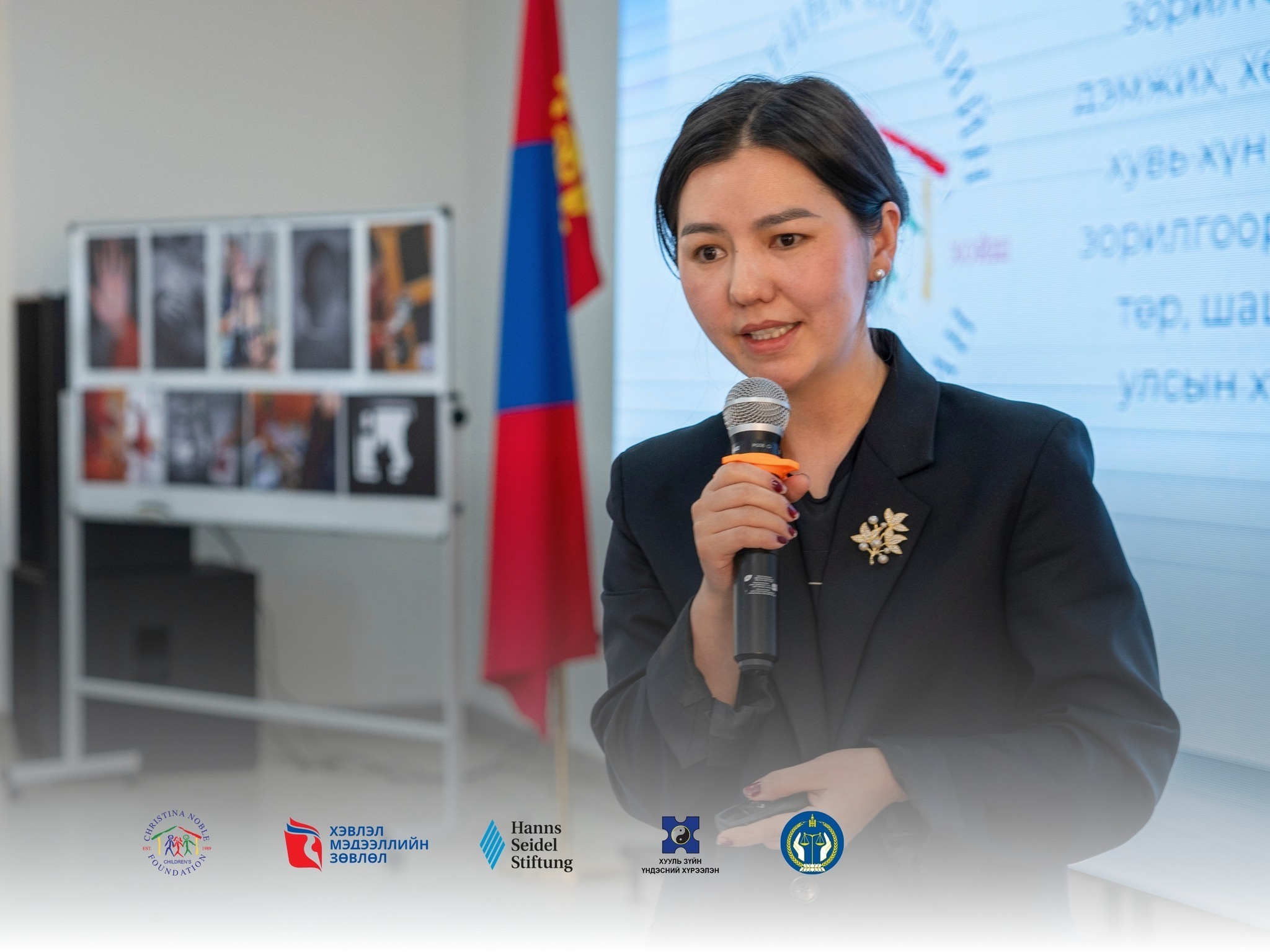
By the conclusion of the roundtable, participants agreed that reporting on issues involving children is neither solely the responsibility of journalists nor of the judiciary, but a shared responsibility of society as a whole.
The event not only strengthened mutual understanding and facilitated dialogue among stakeholders from different sectors, but also laid the groundwork for future cooperation. Participants unanimously agreed that safeguarding children's rights, protecting press freedom, and ensuring judicial transparency are three equally important objectives that must be pursued together, despite the challenges involved.
АНХААРУУЛГА: Уншигчдын бичсэн сэтгэгдэлд www.mediacouncil.mn хариуцлага хүлээхгүй болно. Манай сайт ХХЗХ-ны журмын дагуу зүй зохисгүй зарим үг, хэллэгийг хязгаарласан тул Та сэтгэгдэл бичихдээ бусдын эрх ашгийг хүндэтгэн үзнэ үү. Хэм хэмжээ зөрчсөн сэтгэгдлийг админ устгах эрхтэй.